Key Takeaways:
- Seattle’s science destinations span land, sea, and sky, offering something genuinely engaging for every age group and interest level.
- Several attractions have recently expanded or reopened with new exhibits, making them worth a visit even for those who have been before.
- Some of the most rewarding experiences require getting out on the water or making a short drive north, and both are worth building time around.
- Science in Seattle doesn’t feel like a classroom. It feels like discovery.
Seattle is home to some of the best science-themed destinations in the Pacific Northwest. Pacific Science Center, the Seattle Aquarium, the Burke Museum of Natural History and Culture, the Museum of Flight, Boeing Future of Flight, Woodland Park Zoo, FRS Clipper, and San Juan Safaris cover everything from deep-sea ecosystems and dinosaur fossils to spacecraft, live aircraft manufacturing, and whale watching in the wild. Whether you’re visiting the city or you’re a local who hasn’t played tourist in a while, these are the spots worth your time.
Where Curiosity Has a Really Good Day
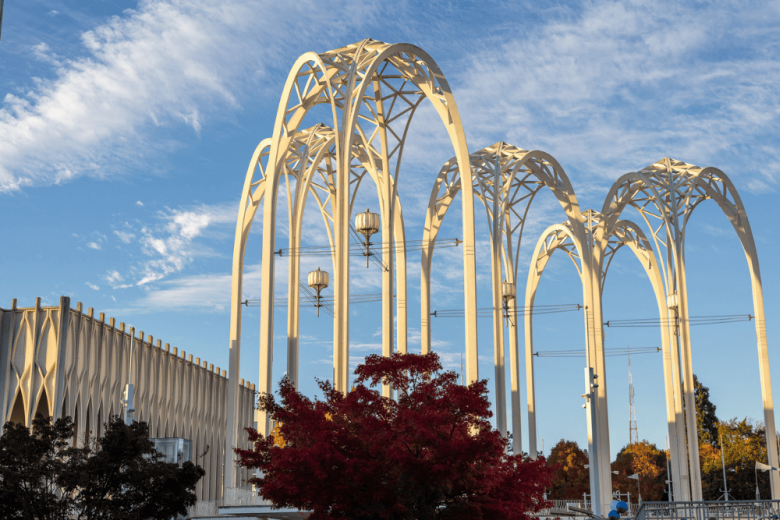
Pacific Science Center has been at the foot of the Space Needle since 1962, and it just got better. The campus recently reopened after renovations that introduced new exhibits and refreshed performance spaces. The iconic courtyard, one of the most beautiful outdoor spaces at Seattle Center, is now open daily from 7 a.m. to 11 p.m.
This is not a “walk past the displays” kind of place. There are a ton of interactive stations, plus you can:
- Step inside the Tropical Butterfly House, where hundreds of butterflies fly loose around you
- Immerse yourself in the Laser Dome, where brilliant visuals and music from your favorite artists fill the entire ceiling above you
- Catch a Planetarium show that makes the solar system feel close enough to reach
The PACCAR IMAX Theater runs both documentaries and Hollywood releases on one of the largest screens in Washington state. It works for families with young kids, but it holds up just as well for adults who still get excited about how things work. Plus, check out the 21+ events if you want to enjoy the museum after dark!
Where Young Scientists Get Their Start
Science doesn’t begin in a lab. For the youngest visitors, it starts with a question, a push, a pull, and the satisfying discovery that actions have consequences.
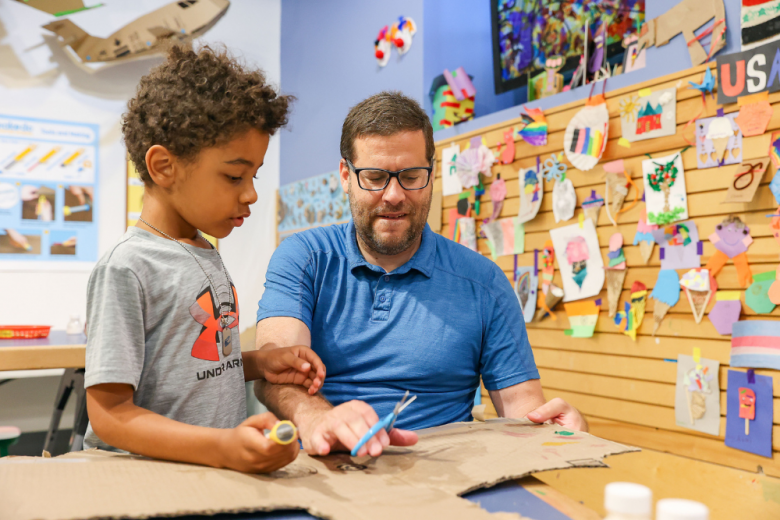
The Seattle Children’s Museum is 18,000 square feet of hands-on exhibits in the Armory at Seattle Center, designed for children up to age 8. Kids can track wildlife and explore Pacific Northwest flora and fauna in the Mountain exhibit, tinker and build in the Corner Workshop, and dig into STEAM-based exhibits that teach engineering and problem-solving through play.
Daily free programs are included with admission. Silly Science covers a rotating monthly topic, from chemistry to physics, in ways that actually make sense to a six-year-old. Creative Corner combines art and science in open-ended activities that change regularly, so repeat visits always feel fresh.
It is a place where curiosity gets its first real workout, and where kids leave asking more questions than they arrived with. Located in the Armory at Seattle Center, just steps from the Pacific Science Center.
Wildlife, Conservation, and the Living Ocean
In Seattle, science isn’t confined to a lab. The next experiences connect you directly to the natural world, putting conservation and our local wildlife front and center.
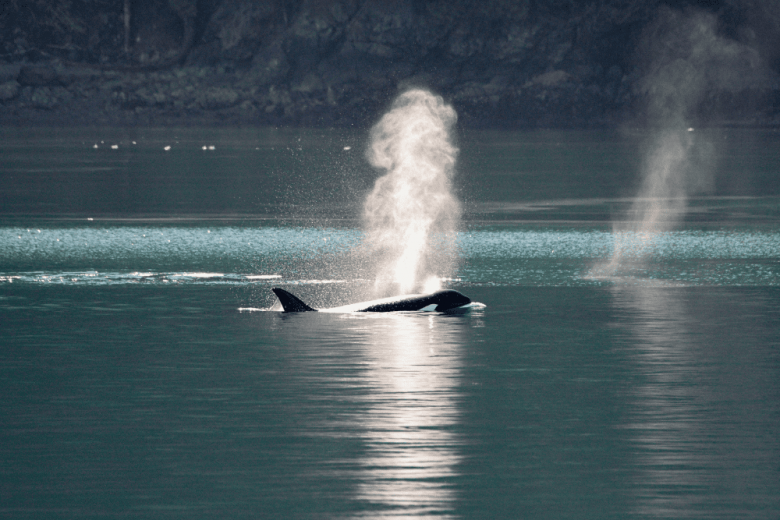
San Juan Safaris has been operating whale watch and wildlife tours out of Friday Harbor on San Juan Island since 1995. The San Juan Islands are accessible by ferry or floatplane, and the waters surrounding them are among the best in the world for seeing orca whales in the wild. Tours run from March through November aboard three Coast Guard-approved vessels, with seasoned captains and marine naturalists onboard for every trip.
A commitment to wildlife is built into every ticket. Two dollars from each sale goes directly to orca and salmon conservation, with total donations since 2015 exceeding $200,000. Recipients include:
- The Center for Whale Research, which monitors the endangered Southern Resident killer whale population
- Save Our Wild Salmon, working to restore salmon populations, the Southern Residents’ main food source
- Long Live the Kings, focused on restoring wild steelhead and salmon through habitat programs
Seeing Bigg’s killer whales, humpbacks, minke, or gray whales, guided by people who have dedicated their careers to understanding and protecting them, is a memorable experience for all ages!
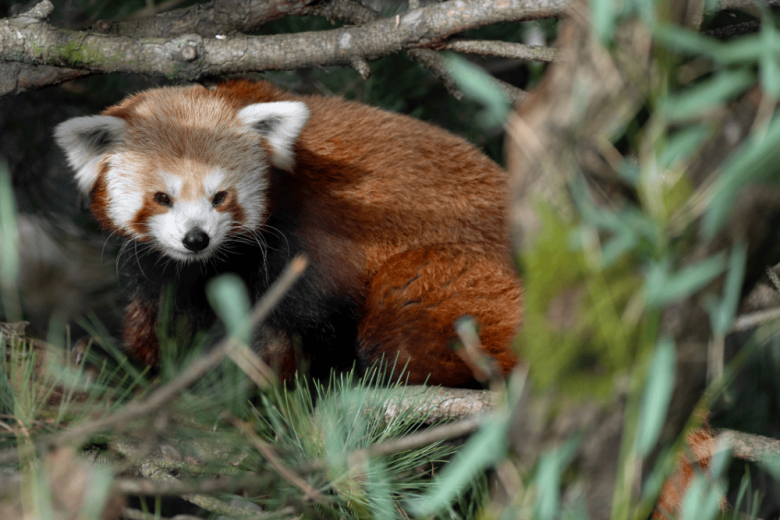
Woodland Park Zoo sits on 92 acres in the Phinney Ridge neighborhood. It houses more than 1,000 animals representing more than 250 species, including 30+ that are endangered, threatened, or vulnerable. The zoo is built around naturalistic habitats designed to reflect the animals’ native ranges, which makes the experience feel more like wildlife observation than a traditional zoo visit.
The conservation work here runs deep. The Tree Kangaroo Conservation Program has been working with communities in Papua New Guinea for 30 years to protect one of the world’s last intact cloud forests. The newly opened Forest Trailhead habitat transports visitors from the forest floor to the canopy to connect with a variety of forest species, including:
- Matschie’s tree kangaroos
- Red pandas
- Kea
- Reptiles, amphibians and fish
Plan for at least half a day. The main loop alone is nearly a mile, and the exhibits branch well beyond it.
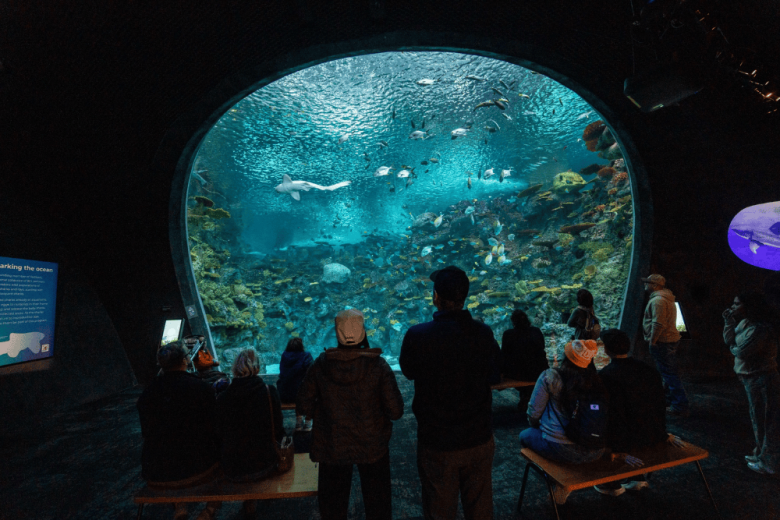
If you visited the Seattle Aquarium years ago, it’s time to go back for all your favorite habitats, including the sea otters, harbor seals, and Underwater Dome, as well as a stunning new addition. The Ocean Pavilion opened in August 2024 and completely changed the experience. Before you even buy a ticket, you can look straight up through a huge skylight cut into the entry plaza ceiling, showing you a preview inside “The Reef” habitat, a 500,000+ gallon seawater habitat where you’ll see sharks, eagle rays, and thousands of tropical fish swimming overhead.
Once inside, The Reef brings you face to face with:
- Indo-Pacific leopard sharks
- Leopard whiptail ray
- Eagle rays
- Species found in the Coral Triangle, which are the waters around Indonesia, the Philippines, and Malaysia
Two levels of habitats connect what’s happening in those distant waters to what’s happening right outside in Puget Sound. The rooftop connects to the new Overlook Walk, which conveniently leads up to Pike Place Market.
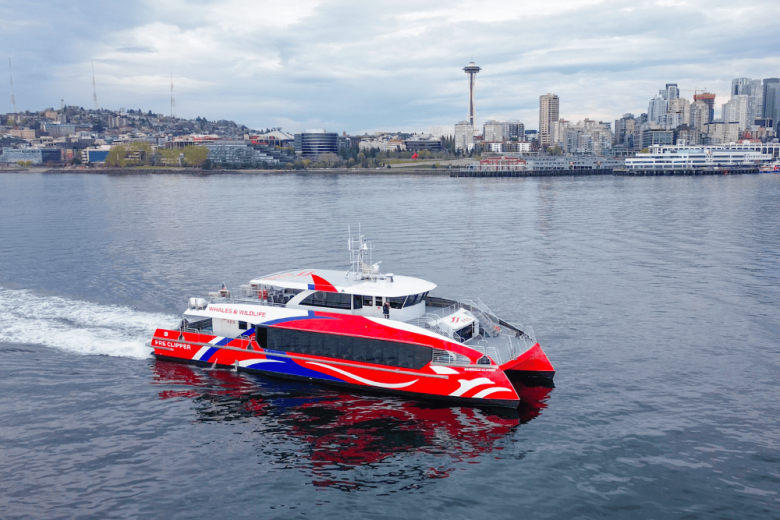
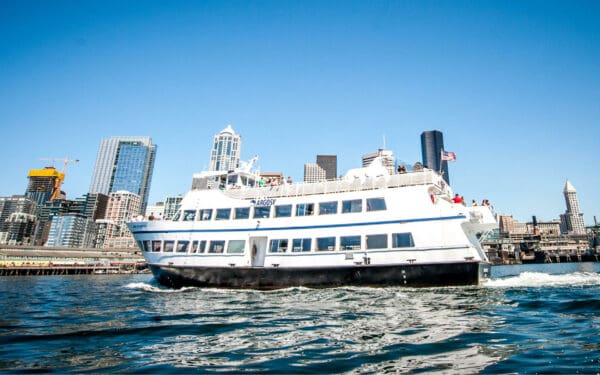
The Salish Sea is one of the most biologically rich marine environments in the world, and FRS Clipper takes you on an unforgettable tour to experience it. Departing from Pier 69 on Seattle’s downtown waterfront, this wildlife and whale watching tour runs from May through November. Guests travel aboard Emerald Clipper, a new state-of the-art catamaran featuring floor-to-ceiling windows, and spacious outside decks.
During this half-day excursion, an onboard naturalist guides the experience, providing real-time commentary on marine life, whale behavior, and the ecology of the Pacific Northwest waterways.
Wildlife you may encounter on the water includes:
- Orcas, humpback whales, gray whales, and minke whales
- Porpoises, seals, and sea lions
- Bald eagles and herons
Also, whale sightings are guaranteed, or you receive a voucher for a future tour, and every guest receives a free photo package to commemorate their visit!
One Museum. Millions of stories.
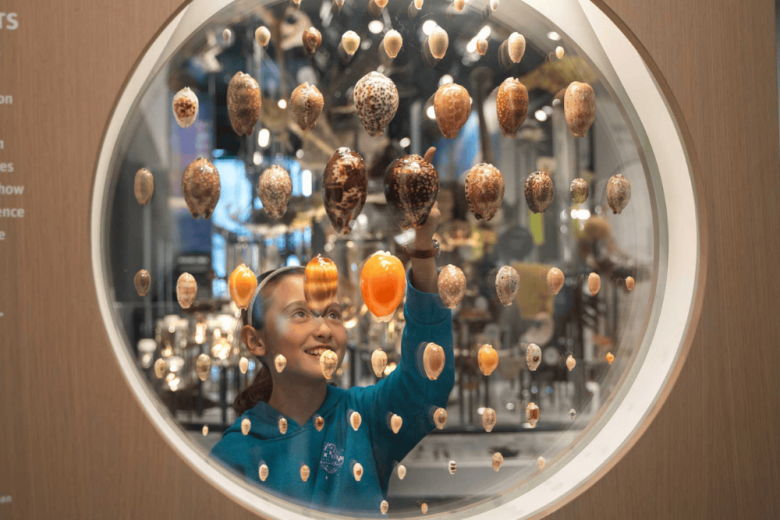
When you step through the doors of the Burke Museum of Natural History and Culture, you’ll have the rare opportunity to see inside a working scientific research facility. Located on the University of Washington campus in Seattle, the museum gives visitors a front-row view of work that typically takes place behind the scenes.
Through large windows into 12 working labs, you’ll see:
- Paleontologists chipping rock away from recently discovered fossils
- Researchers preparing specimens
- Artists working with Indigenous collections
The Fossils Uncovered gallery is home to the world’s most complete T. rex skull, and the Burke is the only place in Washington State where real dinosaur fossils are on public display. The collections run deep at the Burke Museum. There are more than 18 million specimens, artifacts, and cultural belongings spanning geology, botany, birds, fish, Northwest Native art, and more. The Burke Museum is open Tuesday through Sunday and is free the first Thursday of every month.
From Air to Orbit: Aeronautics and Aerospace
You don’t need to know the difference between a 777 and a 787 or a lander and a rover to spend a full, rewarding day across the next two attractions.
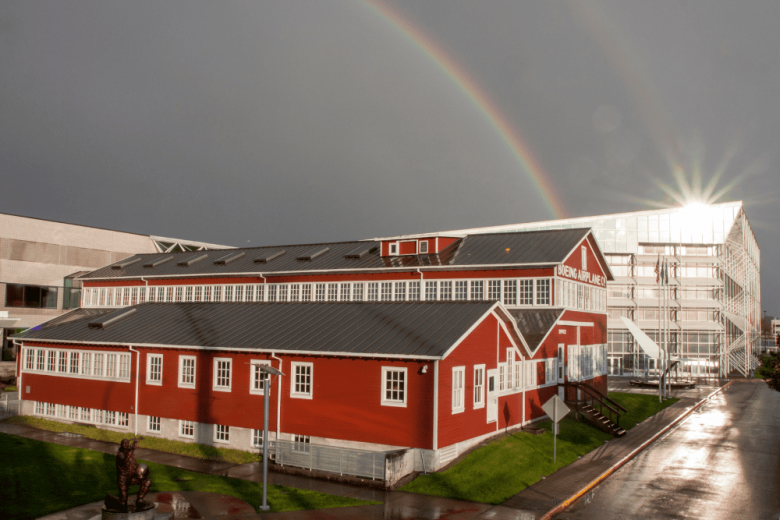
The Museum of Flight occupies a 23-acre campus in the Georgetown neighborhood and covers the full arc of aviation and aerospace history through five buildings. With more than 130 aircraft and spacecraft, there’s no shortage of things to see. Highlights include:
- The Great Gallery, a 7-story, stunning glass gallery with dozens of aircraft suspended aircraft from the first century of flight
- The Red Barn, the historic original wooden factory of the Boeing Airplane Company
- The Aviation Pavilion, an open-air covered gallery with over 20 large aircraft that portray an amazing evolution of technology including the one of the first “modern” airliners, and a B-29 bomber (WWII’s most advanced aircraft). Plus you can walk through the first Air Force One jet, the first Boeing 747, the only supersonic Concorde on the West Coast, a Boeing 787 Dreamliner, and the original Boeing 727
- The Personal Courage Wing, a two-story gallery covering fighter aviation in World War I and World War II through rare aircraft and the stories of the people who flew them
- The Charles Simonyi Space Gallery, home to the full-scale NASA Space Shuttle Trainer (with crew compartment tours not offered anywhere else), plus examples of today’s technology in spaceflight
- The Vietnam Veterans Memorial Park, a free, open-air tribute featuring a beautifully restored Boeing B-52 Stratofortress
- The APOLLO exhibit, featuring Russian and American spacecraft, plus the extremely rare remains of the rocket engines that launched Apollo 12 and 16 to the moon
In The Museum of Flight’s Great Gallery, you can even climb into the cockpit of a real SR-71A Blackbird reconnaissance plane or a full-scale mock-up of an F/A-18L Hornet fighter, or fly a full-motion flight simulator. And be sure to check out the Museum’s online calendar to help plan your visit–weekend programs offer many types of family activities, and the list of public speakers is like a who’s-who in the worlds of aviation and spaceflight!
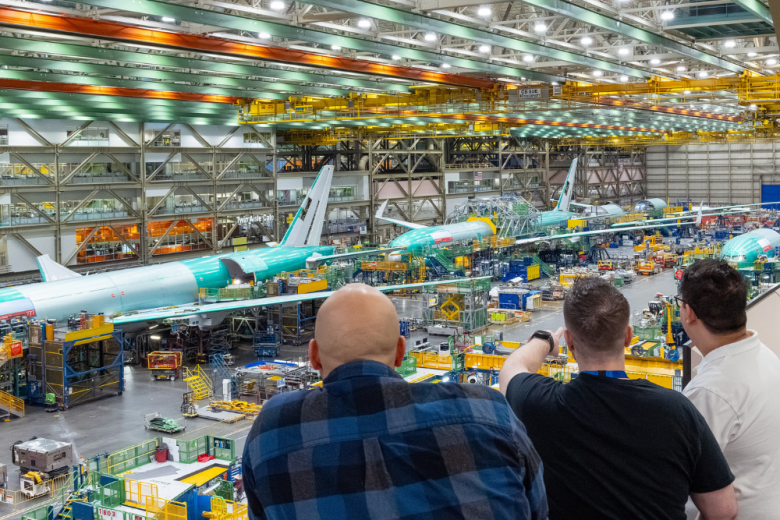
At Boeing Future of Flight, located 30 miles north of Seattle in Mukilteo, go inside the world’s largest manufacturing facility to watch modern aviation come alive during the Boeing Everett Factory Tour. The 80-minute guided journey takes you up to the balcony to observe various production stages—from initial component assembly to the final touches before the 777 and 777X airplanes are delivered.
Other highlights include:
- Boeing Aerospace Adventure Exhibit: Interactive screens explain careers in aircraft design, maintenance, and commercial innovation.
- Boeing Engineering Zone Exhibit: Learn about the International Space Station (ISS) and long-duration missions through hands-on activities.
- Destiny Module: Tour a full-scale mock-up of the primary U.S. research lab on the ISS.
- Flight Simulators: Pilot a 787 Dreamliner or an F/A-18 Super Hornet.
- Wisk: The only place in the Pacific Northwest where you can see two prototypes of the world’s first self-flying, all-electric air taxi.
- Sky Deck: Watch flight operations at Paine Field and enjoy views of Boeing’s Everett factory, the Cascades, and Mount Rainier.
Visit Tip: Book your Boeing factory tour in advance!
Seattle rewards curiosity, and the science experiences here don’t feel like homework, just discovery. You leave spots knowing something you didn’t know before, having seen something you didn’t expect, or thinking about the world a little differently than when you walked in. That’s true whether you’re eight or eighty, a first-time visitor or a longtime local who keeps meaning to get out more. Science is more fun in person. Get out there!