Key Takeaways:
- Seattle Aquarium: A working conservation organization on Seattle’s waterfront, actively recovering endangered pinto abalone and Indo-Pacific leopard sharks while researching kelp forest restoration in Elliott Bay.
- Woodland Park Zoo: A 92-acre conservation zoo in Seattle running wildlife recovery programs locally in the Pacific Northwest and internationally in Papua New Guinea for over 25 years.
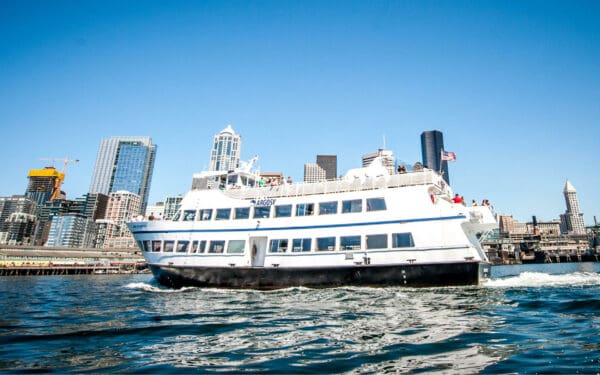
- Argosy Cruises: A locally-owned and family-led company with more than 76 years on the water, offering guided sightseeing cruises with a commitment to sustainable tourism and responsible wildlife practices.
- FRS Clipper: The only whale watching tour departing directly from downtown Seattle, running May through early November on the Salish Sea with an onboard naturalist and guaranteed whale sightings. FRS Clipper is a proud participant in Green Marine, a voluntary environmental certification program focused on reducing environmental impact.
- San Juan Safaris: Friday Harbor-based wildlife tours since 1995, with over $200,000 donated to orca and salmon conservation organizations since 2015.
Marine Conservation in Seattle
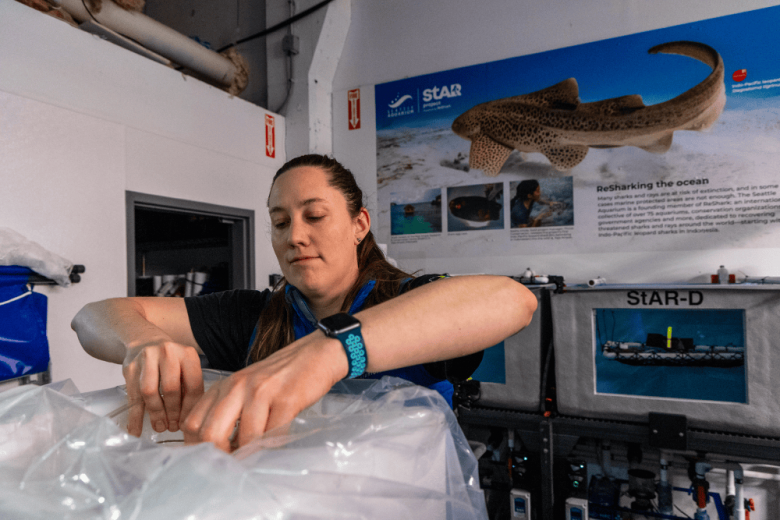
The Seattle Aquarium sits right on the waterfront at Pier 59, and the ocean it is protecting is literally lapping at the walls. That proximity isn’t lost on the people who work there or on the visitors who take time to look closely at what’s inside.
The most striking thing about the aquarium isn’t just what you see. It’s knowing what the animals you’re watching belong to. The aquarium’s active conservation work spans three areas:
- Species recovery for endangered Indo-Pacific leopard sharks through the international ReShark coalition
- Species recovery for pinto abalone, the only abalone native to Washington waters
- Kelp forest research and restoration in Elliott Bay and Puget Sound
The Indo-Pacific leopard sharks gliding through The Reef in the Ocean Pavilion aren’t just there to be admired. They’re part of ReShark, a first-of-its-kind international coalition that the aquarium helped launch in 2020 to restore endangered shark populations in the wild.
Once abundant in the Coral Triangle, the extraordinarily biodiverse waters around Indonesia, the Philippines, and Malaysia, these sharks are now nearly extinct due to overfishing and habitat loss. The Seattle Aquarium is the West Coast hub for egg shipments; AZA accredited institutions across the country ship their eggs to Seattle, where the team cares for them before they are shipped to egg nurseries in Raja Ampat, Indonesia. From there, shark nannies on the ground care for the eggs until they hatch. When they’re old enough, the shark pups are released into marine protected waters.
Closer to home, the aquarium is also working to bring back the pinto abalone, the only abalone species native to Washington waters, after its population in the San Juan Islands dropped by 97% between 1992 and 2017. Each spring, aquarium staff rear larvae at their off-site Animal Care Center and release them into designated sites around the San Juan Islands. Divers have been back to check on them and have found them growing and thriving.
And then there’s the kelp. Right here in Elliott Bay, aquarium researchers are using underwater robots guided by Xbox game controllers to study why bull kelp thrives in some parts of the bay and not others. The goal is to restore kelp forests throughout Puget Sound. Kelp forests support everything from sea otters to salmon, and their health is tied directly to the health of the whole ecosystem.
None of this requires any background knowledge to appreciate. You just have to show up, enjoy the habitats, and know that the people behind the scenes are genuinely trying to keep it alive.
The Seattle Aquarium is open daily, 9:30 a.m. to 6 p.m., and is located at 1483 Alaskan Way, Pier 59, Seattle.
Wildlife Conservation in Seattle
Woodland Park Zoo has been part of Seattle since 1899, and 92 acres of the Phinney Ridge neighborhood have belonged to the animals ever since. But the zoo is more than a home to wildlife – It’s a conservation organization with partners across the Pacific Northwest and around the world to help save wildlife and their wild spaces.
Three conservation programs anchor the zoo’s work:
- The Tree Kangaroo Conservation Program has been protecting endangered Matschie’s tree kangaroos in Papua New Guinea for 30 years
- The Living Northwest Program is focused on native species restoration and human-wildlife coexistence across the Pacific Northwest.
- The Cascades Carnivore Monitoring Program, tracking wolverines, Canada lynx, and other native carnivores through camera trap research with dozens of partner agencies and tribes
The most far-reaching of those programs started with a tree kangaroo in Papua New Guinea. For 30 years, the zoo’s Tree Kangaroo Conservation Program has been working with communities in the remote cloud forests of the Huon Peninsula to protect the endangered Matschie’s tree kangaroo and its habitat.
The program helped establish Papua New Guinea’s first nationally recognized Conservation Area. It earned the United Nations Equator Prize for its community-based approach. And it has become a global model for how conservation and local communities can work together.
The newly opened Forest Trailhead habitat is unlike anything else at the zoo. An elevated canopy path winds through the treetops where tree kangaroos and red pandas make their home, offering viewpoints not found anywhere else on the grounds. The habitat gallery brings visitors face-to-face with nearly 20 species of tree-dwelling reptiles, colorful amphibians, and a variety of fish species. A conservation action area connects visitors to everyday choices around forest protection, including the zoo’s partnership with the Red Panda Network and its Tree Kangaroo Conservation Program in Papua New Guinea.
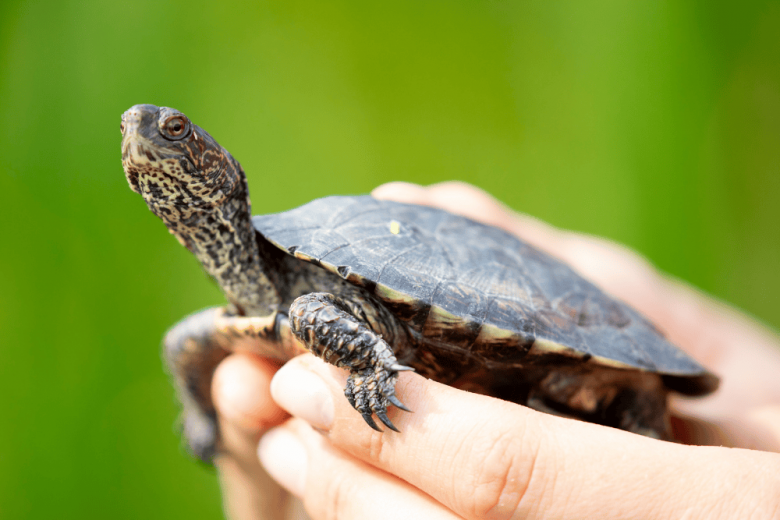
Closer to home, the zoo’s Living Northwest Program is doing something that feels just as urgent. Western pond turtles, one of only two turtle species native to Washington state, had declined to just 150 animals in two populations by 1990. The zoo partnered with the Washington Department of Fish and Wildlife to launch a head start program.
Hatchlings are reared at the zoo safely away from predators all winter until they’re large enough to survive on their own. Every summer, they are released into protected wetlands. Visitors can see the Turtle Head Start Center on the Living Northwest Trail, alongside:
- Canada lynx
- Mexican gray wolves
- Brown bears
- River otters
The zoo also runs camera-trap monitoring programs for wolverines and Canada lynx in the Cascades, species rarely seen but essential to the health of the broader ecosystem. Researchers work with dozens of partner agencies and tribes across the region to track and protect carnivore populations that were severely depleted in the 19th and 20th centuries.
The animals at Woodland Park Zoo are part of active conservation efforts underway in the wetlands of Washington, the cloud forests of Papua New Guinea, and the mountains of the Cascades.
One more thing worth knowing: for more than 40 years, the zoo has been composting approximately 500 tons of animal waste annually into Zoo Doo, which is coveted as the most exotic compost in the Pacific Northwest. Manure from rhino, giraffes, zebras, mountain goats, and more gets mixed with straw and wood chips and turned into garden gold that Seattle locals have been lining up for ever since. Bulk pickup events sell out, and small containers are available year-round at the ZooStore.
Plan for at least half a day. The main loop is nearly a mile, and the exhibits branch well beyond it. Woodland Park Zoo is located at 5500 Phinney Ave N, Seattle, and opens daily at 9:30 a.m.; closures vary seasonally.
Seattle-Area Wildlife Tours
The Pacific Northwest has always been defined by its water—Puget Sound, the Salish Sea, Elliott Bay, the ship canal, and the Ballard Locks. Water is such a big part of this region’s identity, shaping everything. Getting out on the water is one of the best activities you can do in Seattle, and these three options below each offer something different.
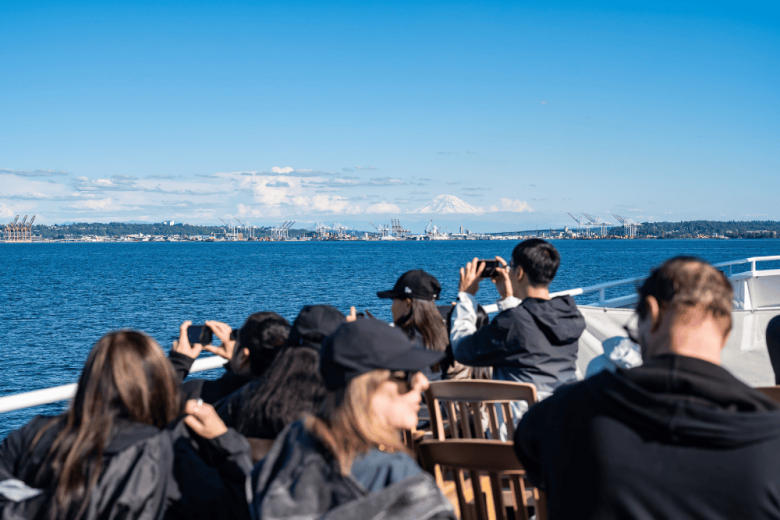
Argosy Cruises has been on Seattle’s waters for more than 76 years, making it as much a part of the city as the waterfront itself. The family-owned, locally operated company runs several tours departing from the Seattle Waterfront, each led by guides who know and care for this place deeply.
The Harbor Cruise is a popular option giving a classic, yet knowledgeable look into Seattle. It’s a one-hour tour led by a local guide where you’ll take in the city skyline and mountain ranges, pass iconic landmarks and learn about the working shipping terminal, which reminds you Seattle is still very much a port city.
The highly rated Locks Cruise is a two-hour journey through the heart of the city and the Ballard Locks, one of Seattle’s most visited and genuinely fascinating pieces of engineering. You’ll cruise past three Seattle neighborhoods in one go!
Argosy follows all Marine Mammal Protection Act guidelines on every cruise, maintaining required distances and speeds around any wildlife encountered on the water. The company is also working toward a Sustainable Tourism certification by the Global Sustainable Tourism Council by 2030.
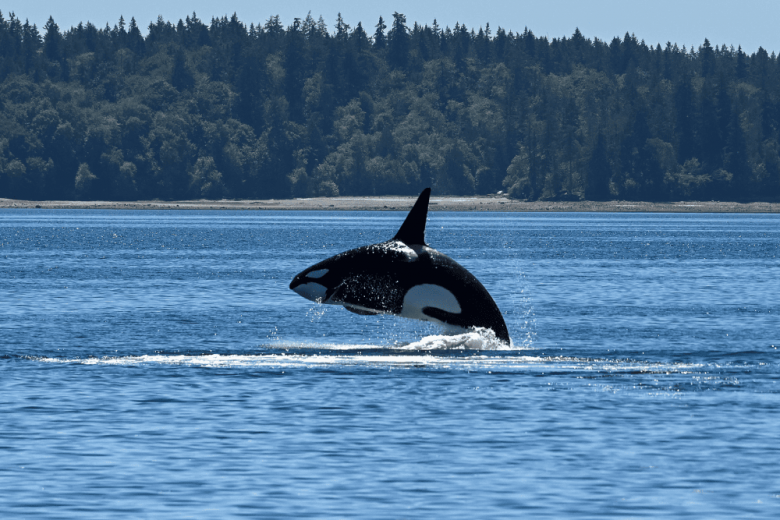
When you want to spend dedicated time searching for wildlife on the water, FRS Clipper offers the only whale watching tour departing directly from downtown Seattle. Tours board at Pier 69, just a short walk from Pike Place Market, and run May through early November aboard the Emerald Clipper.
The tour heads out into the Salish Sea in search of:
- Orcas, humpback whales, gray whales, and minke whales
- Porpoises, seals, and sea lions
- Bald eagles and herons
An onboard naturalist provides real-time commentary on the wildlife, the ecosystem, and the conservation challenges facing the Salish Sea throughout the trip. Whale sightings are guaranteed, or you receive a voucher for a future tour. FRS Clipper is a proud member of the Pacific Whale Watch Association, a community of ecotourism professionals committed to education, conservation, and responsible wildlife viewing in Washington and British Columbia.
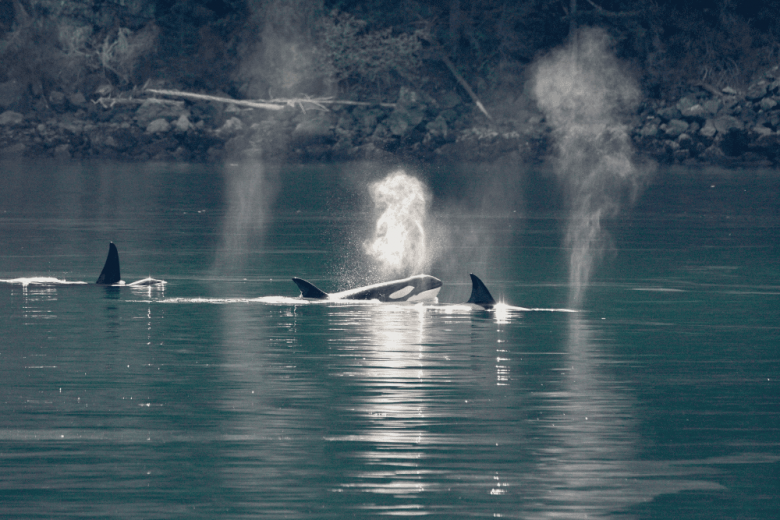
For those looking for the perfect weekend getaway, San Juan Safaris operates out of Friday Harbor on San Juan Island. San Juan Island is accessible via ferry, or from Seattle via floatplane. The surrounding waters are among the best in the world for seeing orcas in the wild.
Tours run from March through November, with seasoned captains and marine naturalists on every trip. The conservation commitment is built directly into the price. Two dollars from every ticket goes to orca and salmon conservation, with total donations since 2015 exceeding $200,000.
Recipients include:
- The Center for Whale Research, which monitors the endangered Southern Resident killer whale population
- Save Our Wild Salmon, working to restore salmon populations, the Southern Residents’ main food source
- Long Live the Kings, focused on restoring wild steelhead and salmon through habitat programs
Seeing Bigg’s killer whales, humpbacks, minke, or gray whales, guided by people who have dedicated their careers to understanding and protecting them, is a memorable experience for all ages!
The Pacific Northwest has a way of making conservation feel personal. Maybe it’s the orcas in the sound or the salmon in the rivers. Whatever it is, this region has a habit of turning observers into advocates. These five picks are a good place to start.