
Key Takeaways:
- Seattle’s history appears in museums, landmarks, and neighborhoods across the city.
- The waterfront and maritime industries shaped Seattle’s early development.
- Cultural museums highlight the immigrant communities that built Seattle’s neighborhoods.
- Several well-known experiences, including the Space Needle and a ride on the Seattle Center Monorail, date back to the 1962 World’s Fair.
- Visitors who want a deeper context often combine museums with guided tours of the city.
Seattle feels modern at first glance. Glass skyscrapers, tech companies, and busy neighborhoods define the skyline. Look a little closer, and the city’s history begins to appear. Waterfront piers, historic neighborhoods, and museums reveal how Seattle grew from a small port town and logging hub into a major Pacific Northwest city.
The places worth visiting here go beyond the tourist basics. Many of them hold details and stories that most people walk right past. These are the spots where Seattle’s real history comes to life.
Seattle’s Waterfront and Industrial Roots
Seattle grew because of its access to water. Shipping, shipbuilding, fishing, and trade shaped the early economy. Several museums and tours explain how these industries helped define the city.
Museum of History & Industry (MOHAI)
Located on the south end of Lake Union, the Museum of History & Industry tells Seattle’s story from the ground up. The building itself is worth noting. It is a former U.S. Naval Reserve Armory, which means the history starts before you even walk through the door.
The main exhibit, True Northwest: The Seattle Journey, traces Seattle’s development from a small settlement to a regional hub for trade, aviation, and technology. What makes MOHAI worth a dedicated visit is its ability to connect the dots between industries. Visitors often come expecting a standard history museum and leave with a clearer picture of why Seattle became what it is.
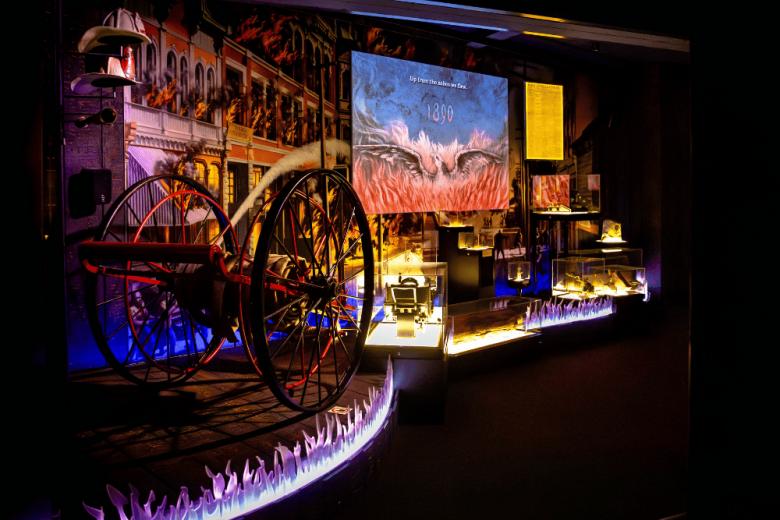
One detail worth looking for: the artifacts tied to the Great Seattle Fire of 1889, which wiped out 25 city blocks and forced a complete rebuild of downtown. That moment shaped the street layout visitors walk today.
Museum of Flight
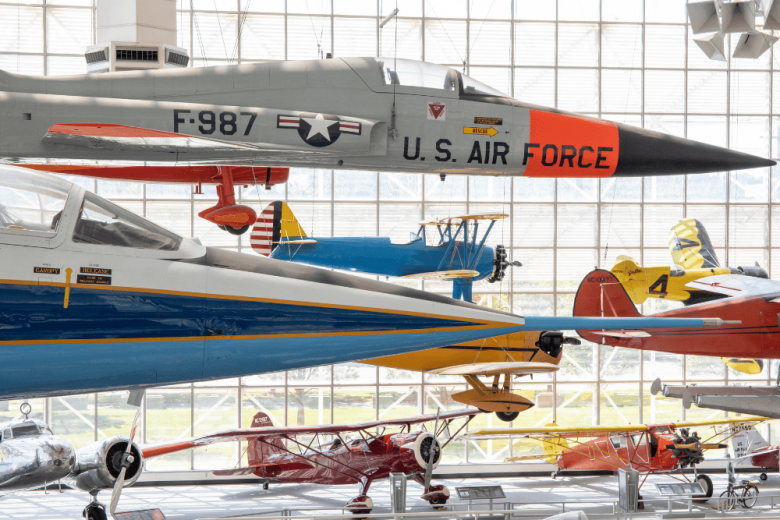
South of downtown, The Museum of Flight will take your breath away with its magical presentation of flight in one of Seattle’s most spectacular settings. And the Museum’s size certainly measures up to the grandeur of the Northwest. It’s the world’s largest independent aerospace museum, with 23 acres of breathtaking galleries engaging the entire era of flight. You don’t need to be an aviation or space enthusiast to enjoy the colorful and creative designs of more than 110 airplanes and spacecraft on display, including the first Air Force One jet, the glamorous Concorde, the huge full-scale Space Shuttle Trainer, awesome Apollo Moon rockets, and the infamous Blackbird Mach 3 spy plane.
The Museum is also home to the original Boeing factory, where they built their first planes in 1916. The fully restored wooden building takes you back not only to the early days of aviation but also to the early days of Seattle and to how flying shaped the city’s destiny for decades.
No matter where you wander, each exhibit comes with a personal story that somehow resonates with us: heartwarming, extreme, inspiring, and fun. Flight is life.
The Museum’s exciting new 2026 exhibit, Runway to Runway, immerses us in the world of flight attendant uniforms and the stories behind them. With a focus on the colorful styles of the 1960s and 70s, this exhibit warms the heart and brings a smile as we see a time when airline travel was all about the best personal experience.
Argosy Cruises Harbor Tour
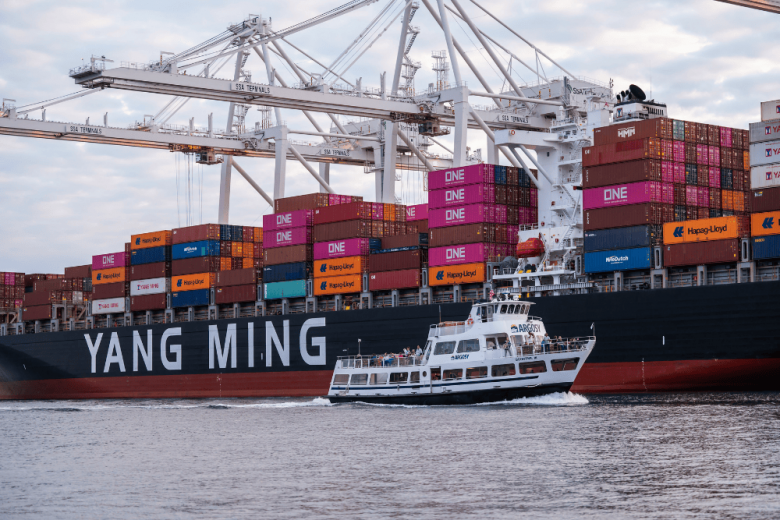
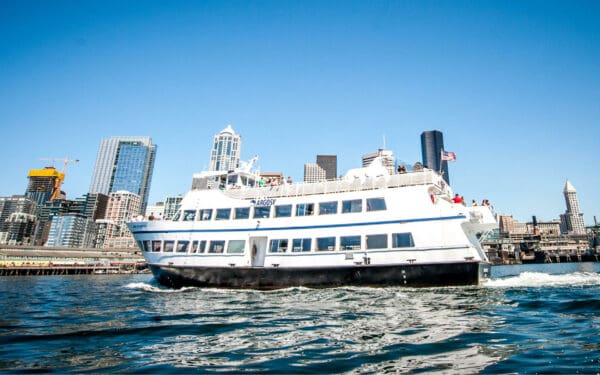
Seattle’s maritime story makes more sense from the water. Argosy Cruises is home to Seattle’s Original Harbor Cruise™, a 1-hour trip led by a local guide who shares the city’s vibrant past and present. This iconic tour crosses Elliott Bay and offers visitors an up-close and clear view of how the port operates.
The local guide will point out working cargo terminals, historic piers, and active shipyards while sharing how Seattle became one of the West Coast’s busiest ports. It’s an experience that will leave you feeling knowledgeable about the waterfront as you step off the boat and back on the boardwalk!
Boeing Future of Flight
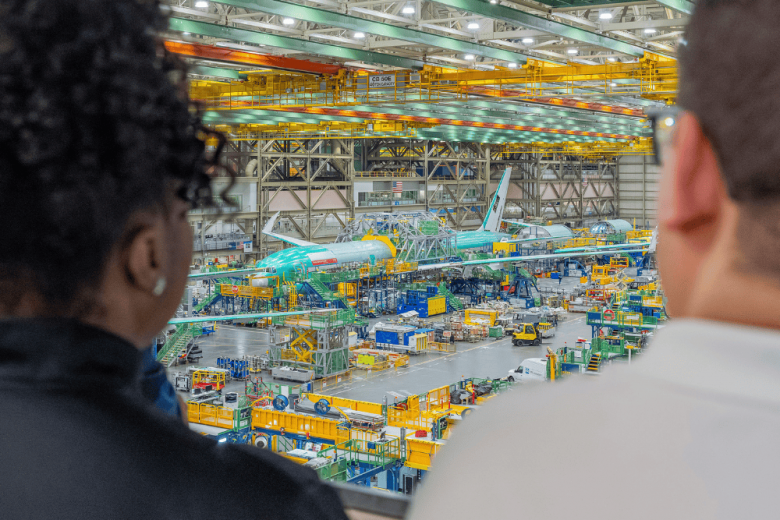
Located in Mukilteo, just 30 miles north of Seattle, Boeing Future of Flight is the ultimate destination for aviation enthusiasts. As the gateway to the Boeing Everett Factory Tour, this 80-minute guided journey invites you inside the world’s largest building to witness the assembly of the 777 and the 777X—the world’s largest widebody airplane.
The Boeing Everett factory is renowned for assembling wide-body aircraft, including the iconic Boeing 747, “Queen of the Skies.” From an observation balcony, you can view the sprawling assembly process, observing different stages of aircraft production from the initial assembly of components to the final touches before an aircraft is delivered. Knowledgeable guides share Boeing’s history in the Puget Sound dating back to 1916 while highlighting engineering innovations, sustainability efforts, and how Boeing uses advanced manufacturing techniques and technologies, including automation and robotics.
This bucket-list experience is a must for any trip to Seattle. Book your tour in advance to secure your spot to witness aerospace history and the future of flight.
Culture and Communities That Shaped Seattle
Seattle’s development reflects the communities that settled here. Several museums focus on cultural history and the experiences of the people who built the city’s neighborhoods.
Wing Luke Museum
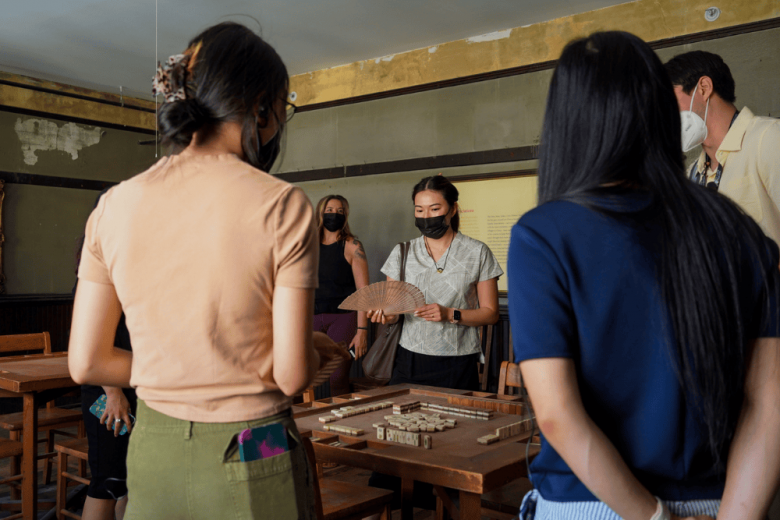
Wing Luke Museum of the Asian Pacific American Experience sits in Seattle’s Chinatown-International District (C-ID). The only Pan-Asian museum in the country focuses on the history of Asian Americans, Native Hawaiians, and Pacific Islanders (AANHPI) in the Pacific Northwest. What sets the museum apart is the way it builds its exhibits, which are co-created by members of the AANHPI community. Because of this, the exhibits tell unique stories of the AANHPI experience not found anywhere else. Also setting the museum apart from most history museums are the guided neighborhood tours, historic hotel tours (in the museum’s building), and its popular food tours.
Visitors walk through the surrounding streets while guides share stories about immigration waves, family-run businesses, and community life that shaped this part of the city. The C-ID itself dates back to the 1880s, and much of what visitors see on those streets reflects more than a century of history. The neighborhood walk alone is worth the visit.
Burke Museum of Natural History and Culture
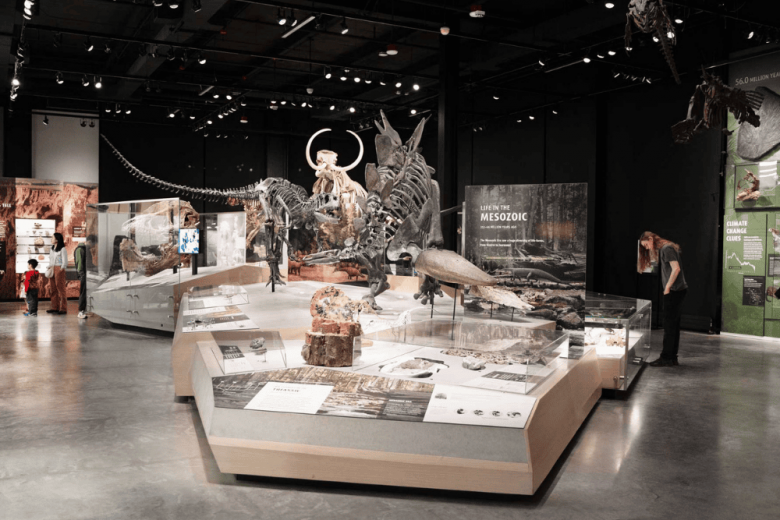
Located on the University of Washington campus, the Burke Museum of Natural History & Culture houses major collections of Indigenous cultures of the Pacific Northwest. The galleries cover thousands of years of human history in the region. From Northwest Native art to canoes and baskets, the museum provides an up-close look at how people lived in the past and shares how Native and Indigenous cultures continue to thrive today.
National Nordic Museum
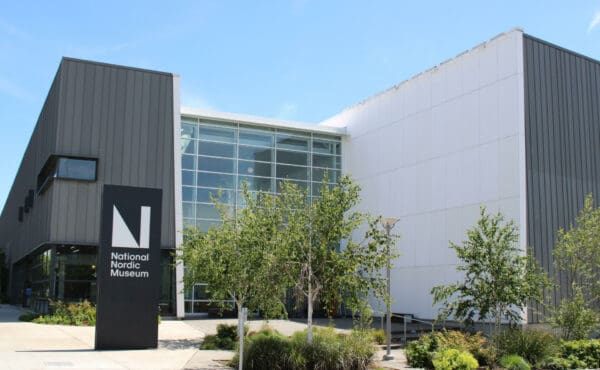
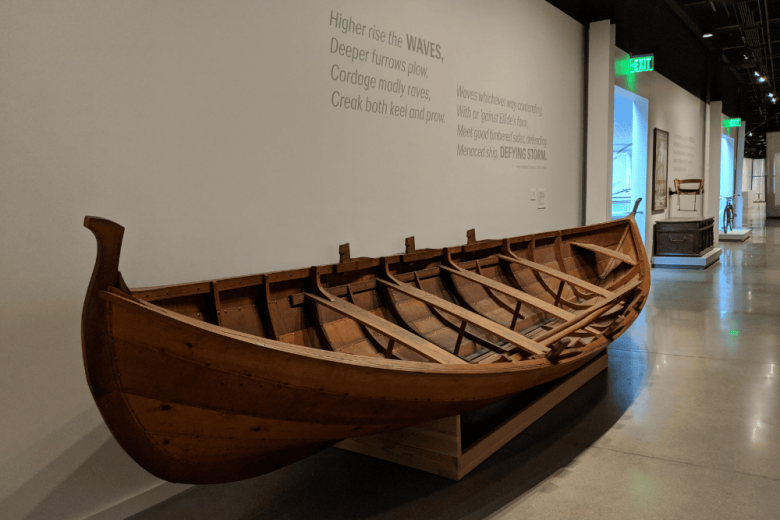
In the Ballard neighborhood, the National Nordic Museum documents the Nordic immigrants who arrived in the late 1800s and early 1900s and built much of Seattle’s fishing and maritime industry.
Ballard itself grew from a Scandinavian fishing village into one of Seattle’s most distinct neighborhoods. The museum connects that origin story to the neighborhood that visitors walk through today. After the museum, the surrounding streets and waterfront provide a physical context for the history that is hard to find elsewhere in the city.
Planning tip: The National Nordic Museum pairs naturally with a walk through Ballard’s historic commercial district and a stop at the Hiram M. Chittenden Locks, where fishing boats still pass through just as they did a century ago.
Seattle Landmarks That Tell the City’s Story
Several well-known landmarks also reveal key moments in Seattle’s development. Many of them owe their origins to the 1962 Seattle World’s Fair, an event that introduced the city to a global audience and left a permanent mark on the skyline.
The Space Needle
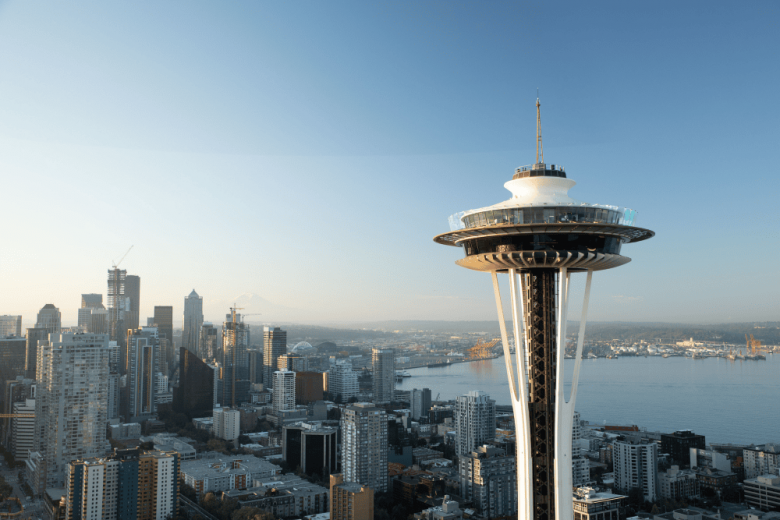
The Space Needle was built in just 13 months for the 1962 World’s Fair, which drew nearly 10 million visitors to Seattle. It was designed to represent the Space Age optimism of that era, and standing at its base, it still communicates that feeling.
The 360-degree, glass-paneled observation deck offers a breathtaking view of downtown Seattle, Puget Sound, and the surrounding mountains. The world’s only rotating glass floor, The Loupe, is a detail many visitors are delighted to discover. For history-loving visitors, there are exhibits along the ramp to the exciting all-glass double-deck elevator ride that showcase how the Space Needle was built and interesting facets about the 1962 World’s Fair.
Seattle Center Monorail
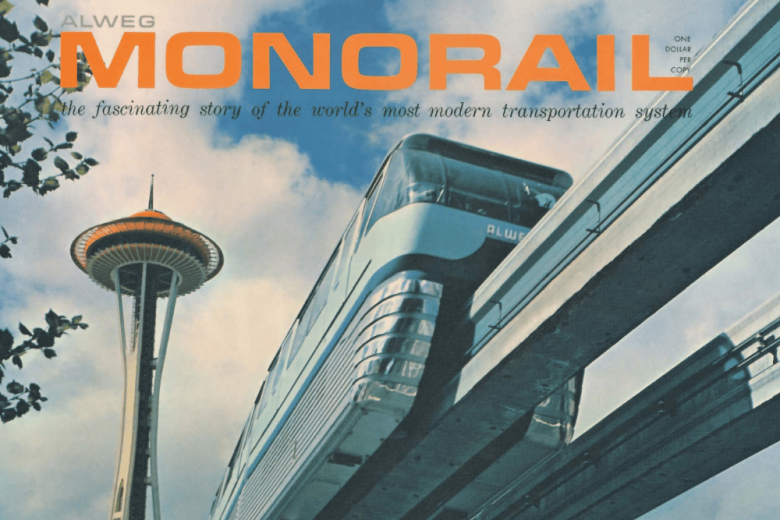
The Seattle Center Monorail started operating in 1962 to move World’s Fair visitors between downtown and the fairgrounds. It still runs the same route today, connecting Westlake Center and Seattle Center in about two minutes.
Most visitors ride it for convenience and to avoid parking in Seattle. However, it’s also the world’s first full-scale monorail, so it’s a small piece of living history that riders remember.
T-Mobile Park Tours
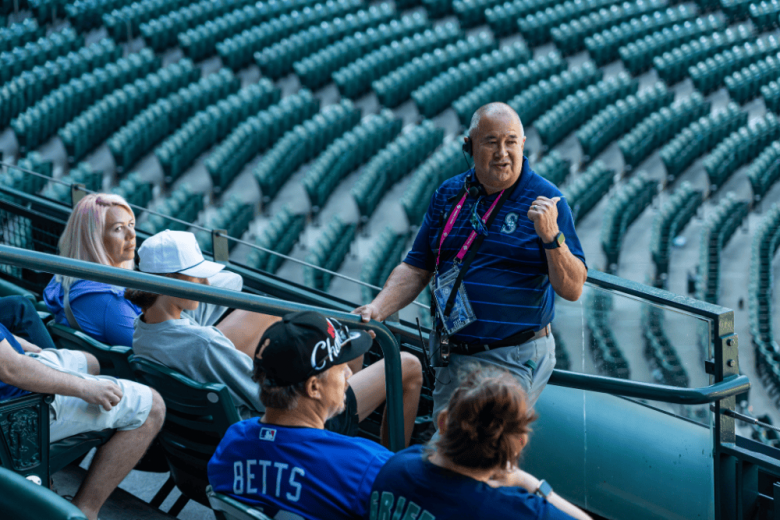
T-Mobile Park, home of the Seattle Mariners Major League Baseball team, offers guided tours that take visitors “behind the seams” into areas normally off-limits on game days, including the Interview Room, Broadcast Center, and Visitors’ Clubhouse. For guests interested in how a city’s sports culture influences its people, this is a worthwhile stop.
USS Turner Joy
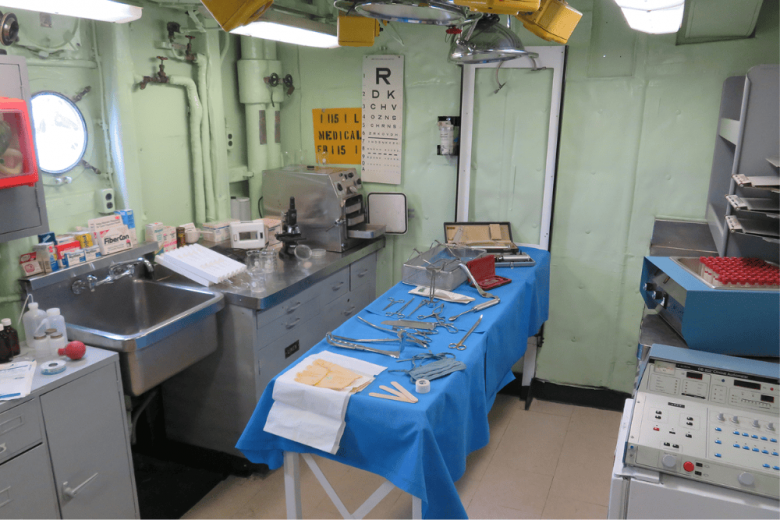
Across Puget Sound in Bremerton, the USS Turner Joy is a retired Navy destroyer that served during the Vietnam War and now operates as a museum ship. Visitors move through control rooms, sleeping quarters, and deck areas at their own pace.
The ferry ride from Seattle to Bremerton adds about 60 minutes each way but is scenic and part of the experience. Visitors who make the trip consistently say it is one of the more memorable stops on a Seattle history itinerary.
Tours Northwest
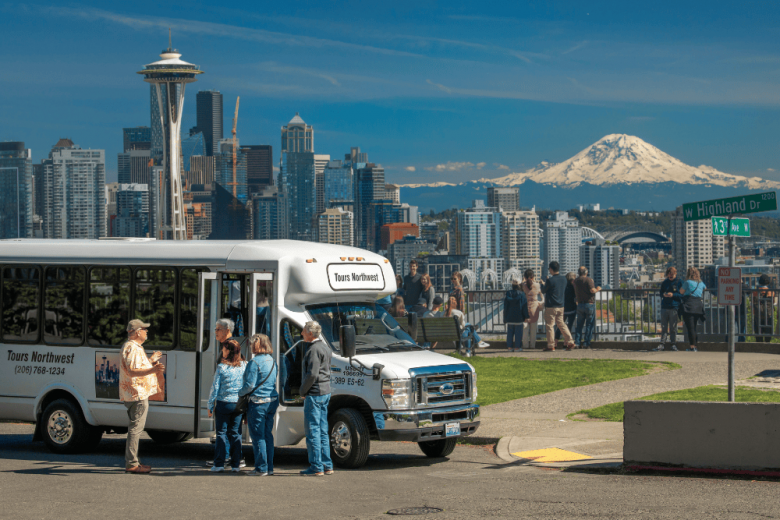
If you appreciate guided context while touring the city, you’ll find organized tours worth your time. Tours Northwest offers regional tours led by local guides who connect Seattle’s landmarks, neighborhoods, and history into a coherent story you wouldn’t hear on your own.
Signs of Seattle’s rich history are everywhere. Look below the skyline, and the stories that shaped the city come into focus. Take time to explore, and you’ll enjoy finding the past in places you might not expect.